Hazard Tree Warning Signs Every Oregon, WI Homeowner Must Know
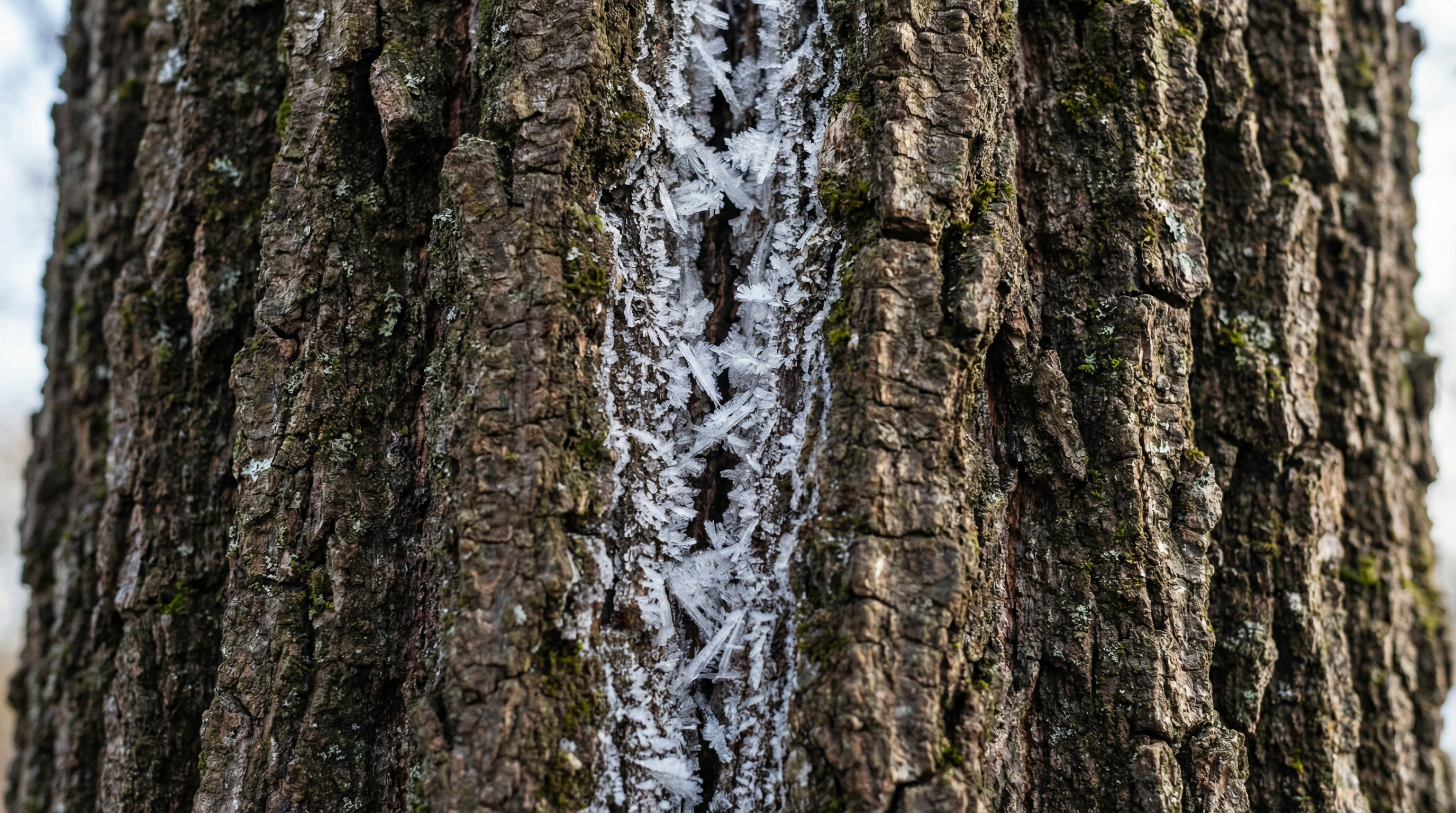
Wisconsin’s weather patterns create a perfect storm for tree structural problems. Our humid continental climate means trees face constant stress from temperature swings that can exceed 40 degrees in a single day during spring and fall. When water inside tree tissues freezes and thaws repeatedly, it creates microscopic cracks that grow larger each season.
The clay soils common throughout Dane County add another layer of risk. During wet periods, saturated clay loses its grip on root systems. During dry spells, the same clay shrinks and pulls away from roots, gradually loosening the tree’s foundation. This cycle weakens even healthy trees, making them vulnerable during the next storm.
Our crews regularly encounter trees that looked perfectly fine but failed because their root systems couldn’t handle the stress. A tree that’s stood for decades near your Oregon home might be silently developing problems that won’t show until it’s too late.
Understanding these local conditions helps explain why tree risk assessment isn’t just recommended—it’s essential for protecting your investment and your family’s safety.
Visual Warning Signs You Can’t Ignore
Knowing what to look for can save you thousands in property damage and potentially save lives. Here are the critical warning signs every Oregon homeowner should recognize:
Cracks and Splits in the Trunk
Vertical cracks longer than two feet signal serious structural problems, especially if they’re deep enough that you can’t see the bottom. These often start small during winter freeze-thaw cycles and expand each year. Horizontal cracks where large branches meet the trunk are even more dangerous—they indicate the branch could fail at any moment.
Cavities and Fungal Growth
Hollow spots in the trunk dramatically reduce a tree’s strength. While trees can survive with internal decay, the remaining wood might not support the tree during high winds or heavy snow. Mushrooms or shelf fungi growing from the trunk are red flags that indicate active decay eating away at the tree’s structure.
Changes in Lean
A tree that suddenly leans more than before—especially after a storm—has likely suffered root damage or trunk failure. Even trees leaning away from your house pose risks, as falling branches can reach much farther than you’d expect.
Dead or Hanging Branches
Large dead branches, called “widow makers” in the tree care industry, can fall without warning. Branches hanging by strips of bark are accidents waiting to happen, particularly during ice storms common in our area.
Our Extreme Tree Service teams have seen too many situations where homeowners noticed these signs but waited too long to act. Early intervention can often save a tree and prevent dangerous situations.
Hidden Root Problems That Threaten Tree Stability
The most dangerous tree problems often happen underground where you can’t see them. Root system failure is responsible for many of the most devastating tree collapses in the Madison metro area.
Soil Heaving and Exposed Roots
After storms, walk around your trees and look for soil that’s pushed up on one side or roots that weren’t visible before. This indicates the root system is failing and the tree is becoming unstable. In Oregon’s clay soils, this process can happen quickly during wet conditions.
Mushrooms at the Base
Fungi growing around the tree’s base feed on dead and dying roots or trunk wood at soil level. Different types indicate different problems, but any significant fungal growth means the tree’s foundation is compromised.
Construction Damage
Recent utility work, driveway installation, or landscaping projects can severely damage root systems. The effects might not show for several years, but the structural damage happens immediately. If you’ve had any digging within 20 feet of a large tree, professional assessment is wise.
Saturated Soil Conditions
Oregon’s clay soils become like soup during heavy rains, providing almost no support for tree roots. Trees that seem fine during dry weather can topple during wet periods when the soil can’t hold them upright.
When to Call Professional Tree Risk Assessment
While you can spot obvious problems, comprehensive tree safety evaluation requires professional expertise. Here’s when you should call in the experts:
After Any Severe Weather
Ice storms, high winds, or heavy snow can cause internal damage that’s not immediately visible. Even if your tree looks fine, hidden cracks or root damage could make it dangerous. Professional assessment after major weather events can prevent future disasters.
Before Major Life Events
Planning a wedding reception in your backyard? Having a large family gathering? Don’t risk having a tree failure during important events. Professional evaluation provides peace of mind and protects your guests.
For Insurance and Real Estate Purposes
Many insurance companies now require documentation of proper tree maintenance. If you’re buying or selling a home in Oregon, professional tree assessment can identify potential liabilities and provide necessary documentation.
When Trees Are Near High-Value Targets
Trees close to your house, garage, power lines, or neighbor’s property deserve professional attention. The cost of assessment is minimal compared to potential property damage or liability issues.
At Extreme Tree Service, our crews combine extensive hands-on experience with ongoing professional training. While we’re actively working toward advanced certifications, our commitment to industry best practices and safety standards ensures Oregon homeowners receive expert evaluation and care.
Emergency Response and Hazardous Tree Removal
When a tree becomes an immediate threat, quick action is essential.Dangerous tree removal requires specialized equipment and expertise that goes far beyond basic tree cutting.
Storm Damage Response
Our emergency crews respond throughout Oregon, Stoughton, Fitchburg, and surrounding Dane County communities when storms create immediate hazards. We have the equipment and experience to safely remove trees that are leaning on houses, blocking roads, or threatening power lines.
Specialized Equipment for Complex Removals
Hazardous trees often can’t be climbed safely or felled in traditional ways. Our crane services and specialized rigging equipment allow us to dismantle dangerous trees piece by piece, protecting your property and surrounding structures.
Safety-First Approach
Every hazardous tree situation is unique. Our crews assess each situation carefully, following ANSI Z133 safety standards to protect both our workers and your property. We never rush dangerous tree work—safety always comes first.
Tree hazard prevention starts with understanding your trees and their condition. Regular visual inspections, especially after severe weather, can help you spot developing problems early. However, professional assessment remains crucial for trees near structures or in areas where failure could cause significant damage.
The mature trees that make Oregon neighborhoods so attractive can also pose serious risks if not properly maintained. Don’t let a beautiful tree become a dangerous liability for your family and property.
Extreme Tree Service has served Oregon and surrounding communities for years, building our reputation on safety, professionalism, and expert tree care. Our experienced crews understand the unique challenges facing homeowners in our area, from clay soil conditions to severe weather patterns.
While we continue pursuing advanced certifications, our commitment to professional development and industry best practices ensures you receive expert service. We’re equipped to handle everything from routine maintenance to complex emergency removals throughout the Madison metro area.
Don’t wait for warning signs to become emergencies. Contact Extreme Tree Service today at (608) 477-1670 for professional tree risk assessment. Our experienced team is ready to help protect your Oregon home from tree-related hazards year-round. Visit us at extremetreeservicewi.com to learn more about our comprehensive tree care services.
