Common Tree Diseases in Wisconsin: Identification and Treatment
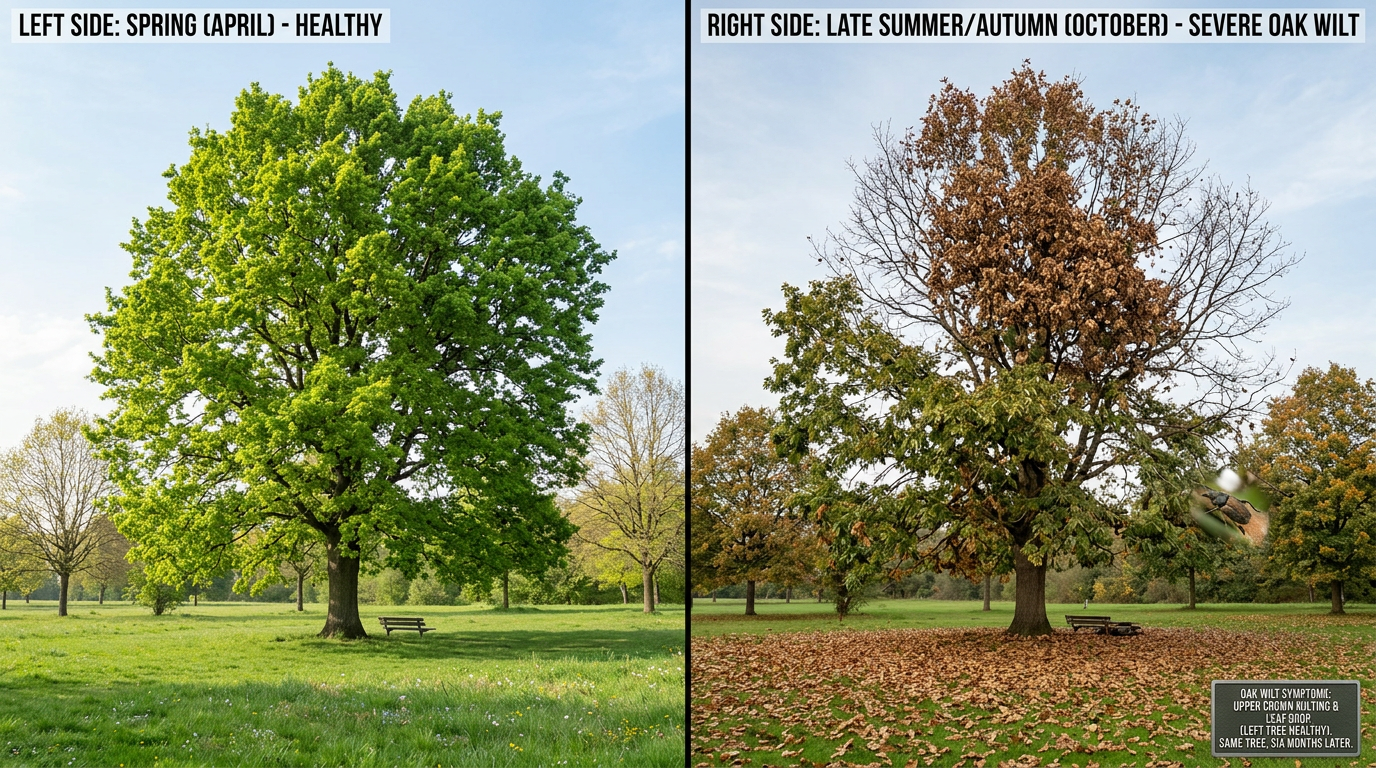
Wisconsin’s humid continental climate, combined with our freeze-thaw cycles and abundant moisture from our lakes, creates ideal conditions for several serious tree diseases.Oak wilt, Dutch elm disease, apple scab, anthracnose, and needle cast diseases represent the most significant threats to trees in the Madison metropolitan area.
Oak Wilt: Wisconsin’s Most Serious Tree Disease
Oak wilt represents the most devastating tree disease threat in Wisconsin, capable of killing healthy oak trees within a single growing season. This vascular disease has been confirmed throughout Dane County, making proper oak care critical for Madison-area property owners.
The disease spreads through root grafts between nearby oaks and through beetle vectors attracted to fresh wounds. Red oaks typically die within weeks of infection, while white oaks may survive several years with proper treatment. Early symptoms include wilting leaves that turn brown from the tip inward, often starting in the upper crown.
Prevention remains the best strategy for oak wilt management. Avoid pruning oaks during warm months (April through October) when beetles are active. If storm damage creates fresh wounds, immediately apply wound dressing to prevent beetle attraction.
Dutch Elm Disease: A Continuing Threat
Despite decades of management efforts, Dutch elm disease continues threatening Wisconsin’s remaining elm trees. This fungal disease spreads through elm bark beetles and root grafts, causing rapid decline in infected trees.
Symptoms include yellowing and wilting of leaves, typically starting on one branch and spreading throughout the crown. The disease creates brown streaking in the wood, visible when bark is peeled back from affected branches.
Madison’s urban forest still contains valuable elm trees, particularly in established neighborhoods like Nakoma and near the University of Wisconsin campus. Professional monitoring and preventive treatments can help protect these important shade trees.
Apple Scab and Fruit Tree Diseases
Apple scab primarily affects crabapples and apple trees throughout the Madison area, appearing as dark, scabby lesions on leaves and fruit. This fungal disease thrives in our spring moisture and can severely weaken trees over time if left untreated.
The disease overwinters in fallen leaves around infected trees, making proper sanitation crucial for long-term management. Wet springs, common in southern Wisconsin, create ideal conditions for spore germination and infection.
Many Madison neighborhoods feature ornamental crabapples that suffer from apple scab, particularly during humid years. Professional treatment programs can significantly reduce disease severity and improve tree appearance.
Why Madison’s Climate Creates Unique Disease Challenges
The isthmus geography that makes Madison distinctive also creates specific tree health challenges requiring professional understanding. Our position between two large lakes moderates temperatures but increases humidity levels, extending periods when fungal spores can germinate and infect trees.
Spring weather patterns in southern Wisconsin often feature extended periods of cool, wet conditions—perfect for disease development. The combination of late spring frosts followed by warm, humid days creates stress conditions that make trees more susceptible to infections.
Madison’s diverse urban forest, from mature elms in the University of Wisconsin Arboretum to mixed hardwoods in Fitchburg’s residential areas, means multiple tree species with different disease susceptibilities grow in close proximity. This diversity requires comprehensive knowledge of species-specific disease patterns and treatment protocols.
Our harsh winter conditions and freeze-thaw cycles can create wounds and stress points that serve as entry points for diseases. Professional tree health assessment becomes crucial for identifying these vulnerability points before they become serious problems.
Anthracnose and Leaf Spot Diseases
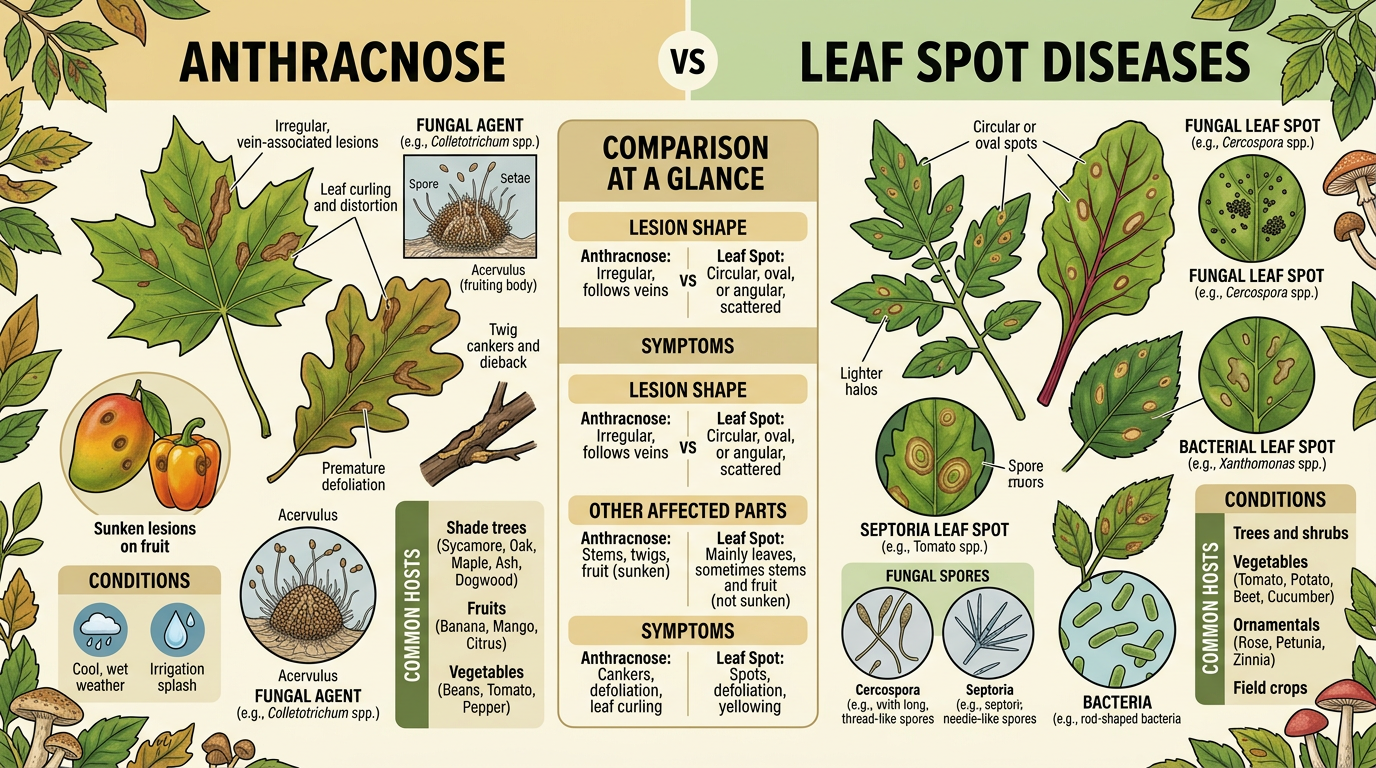
Anthracnose affects numerous hardwood species common to Madison landscapes, including ash, maple, and oak trees. This fungal infection causes irregular brown patches on leaves, often following leaf veins, and can lead to significant defoliation during wet springs.
While rarely fatal, repeated anthracnose infections stress trees and make them susceptible to other health issues. The disease is particularly problematic on sycamores and ash trees in urban environments where air circulation is limited.
Leaf spot diseases affect many tree species throughout Wisconsin, causing various patterns of discoloration and premature leaf drop. These diseases thrive in humid conditions and can significantly impact tree appearance and vigor over time.
Professional diagnosis becomes important because many leaf diseases have similar symptoms but require different treatment approaches. Proper identification ensures effective treatment and prevents unnecessary applications.
Needle Cast Diseases in Evergreen Trees
Wisconsin’s evergreen trees, including spruces, pines, and firs, face several needle cast diseases that cause premature needle drop and crown thinning. These diseases are particularly problematic in areas with poor air circulation and high humidity.
Rhizosphaera needle cast commonly affects blue spruce trees throughout the Madison area, causing lower branches to lose needles and appear thin. The disease progresses upward through the tree over several years if left untreated.
Dothistroma needle blight affects various pine species, causing needle tips to turn brown while bases remain green. This creates a distinctive banded appearance that helps with professional diagnosis.
Evergreen trees stressed by drought, poor soil conditions, or other factors become more susceptible to needle cast diseases. Professional assessment can identify contributing stress factors and develop comprehensive treatment plans.
Professional Disease Diagnosis and Treatment Protocols
Accurate tree disease identification requires understanding both visual symptoms and underlying environmental factors that contribute to tree stress and disease development. Professional diagnosis involves examining leaf patterns, bark conditions, root health, and overall tree structure to determine specific pathogens involved.
Fungicide treatments represent one component of comprehensive tree disease management, but timing and application methods are critical for effectiveness. Many fungal diseases require preventive treatment applications before symptoms appear, making professional monitoring essential.
Cultural practices often prove more important than chemical treatments for long-term tree health. Proper pruning to improve air circulation, soil management to reduce stress, and sanitation practices to eliminate disease sources form the foundation of effective disease prevention.
Integrated treatment approaches combine multiple strategies based on specific diseases, tree species, and site conditions. This might include targeted pruning to remove infected material, soil treatments to improve root health, and carefully timed fungicide applications.
The team at Extreme Tree Service follows ANSI A300 standards for tree care practices, ensuring all treatment recommendations align with industry best practices for tree health management and safety protocols.
Recognizing When Your Trees Need Professional Attention
Early detection of tree diseases significantly improves treatment success rates and reduces long-term costs. Homeowners should watch for sudden leaf drop, unusual discoloration patterns, cankers or lesions on bark, and changes in overall tree vigor.
Leaf symptoms often provide the first indication of disease problems. Look for spots, blotches, or unusual coloring that doesn’t match normal seasonal changes. Premature leaf drop, especially affecting only certain branches, may indicate serious disease issues requiring immediate assessment.
Bark and trunk symptoms can indicate more serious systemic diseases. Cankers, oozing sap, unusual growths, or areas where bark appears sunken or discolored should prompt immediate consultation with tree health professionals.
Root and soil issues often contribute to tree disease susceptibility but remain hidden from casual observation. Professional assessment includes evaluation of soil conditions, drainage patterns, and root system health to identify underlying factors predisposing trees to disease.
Signs warranting immediate professional evaluation include rapid decline in tree health, unusual insect activity, fungal growth on bark or roots, and symptoms affecting high-value or large trees that could pose safety risks.
Disease Prevention Through Proper Tree Care
Preventive care remains the most effective approach to tree disease management. Proper pruning, adequate watering, appropriate fertilization, and stress reduction significantly improve trees’ natural disease resistance.
Pruning for air circulation helps reduce humidity around tree crowns, making conditions less favorable for fungal diseases. Removing dead, diseased, or crossing branches also eliminates potential infection sites.
Soil health management supports strong root systems that help trees resist disease pressure. Proper drainage, organic matter addition, and avoiding soil compaction all contribute to better tree health.
Species selection for new plantings should consider disease resistance and site suitability. Many newer cultivars offer improved resistance to common diseases affecting Wisconsin trees.
Regular professional monitoring allows early detection of disease problems when treatment options are most effective and least expensive.
Choosing Professional Tree Health Services in Madison
Professional training and experience matter significantly when dealing with tree diseases, as misdiagnosis can lead to ineffective treatments and continued tree decline. Look for tree care companies demonstrating commitment to ongoing education and industry best practices.
Safety compliance becomes crucial when treating diseased trees, as many require specialized equipment and techniques for safe access and treatment application. Companies should demonstrate adherence to ANSI Z133 safety standards and maintain proper insurance coverage.
Local expertise proves invaluable for tree disease management in Wisconsin, as treatment timing, species selection, and environmental factors all require understanding of regional conditions. Companies with extensive Dane County experience understand specific disease pressures facing Madison-area trees.
Comprehensive service capabilities allow integrated treatment approaches addressing both immediate disease issues and long-term tree health. This includes pruning services to remove infected material, soil management to reduce stress, and ongoing monitoring.
Extreme Tree Service brings years of hands-on experience treating tree diseases across Madison, Middleton, Sun Prairie, and surrounding communities. Our trained crews understand Wisconsin-specific tree health challenges and maintain commitment to industry best practices for safe, effective treatment.
Understanding common tree diseases in Wisconsin represents the first step toward maintaining healthy trees on your property. However, effective tree disease treatment requires professional expertise, proper timing, and comprehensive approaches addressing both immediate symptoms and underlying health factors.
The humid climate conditions around Madison’s lakes, combined with our diverse urban forest and challenging weather patterns, create unique tree health challenges that benefit from professional assessment and treatment. Early intervention often prevents minor disease issues from becoming major problems requiring tree removal.
Don’t let tree diseases compromise your property’s beauty and safety. Professional tree health assessment can identify problems early when treatment options are most effective and affordable. Whether you’re dealing with oak wilt concerns in Verona, apple scab on Middleton crabapples, or needle cast on Fitchburg evergreens, proper diagnosis and treatment make the difference.
Extreme Tree Service provides comprehensive tree health services throughout Madison, Sun Prairie, Cottage Grove, and the greater Dane County area. Our experienced team understands Wisconsin tree diseases and follows industry best practices for safe, effective treatment protocols.
Contact Extreme Tree Service (𝟲𝟬𝟴) 𝟰𝟳𝟳-𝟭𝟲𝟳𝟬 for professional tree health assessment and treatment recommendations. We serve Madison, Middleton, Monona, Stoughton, DeForest, Waunakee, and all surrounding communities with reliable, professional tree care services designed to protect your landscape investment.
Visit extremetreeservicewi.com to learn more about our comprehensive tree health services and schedule your consultation with Madison’s trusted tree care professionals.
