
Professional Tree Removal, Trimming & Stump Grinding in
Sun Prairie & Madison, WI
24/7 Emergency Service
Call (608) 477-1670
Welcome to the Extreme Tree Service Blog
Leaning Tree in Your Poynette Yard? When Lean Means Danger
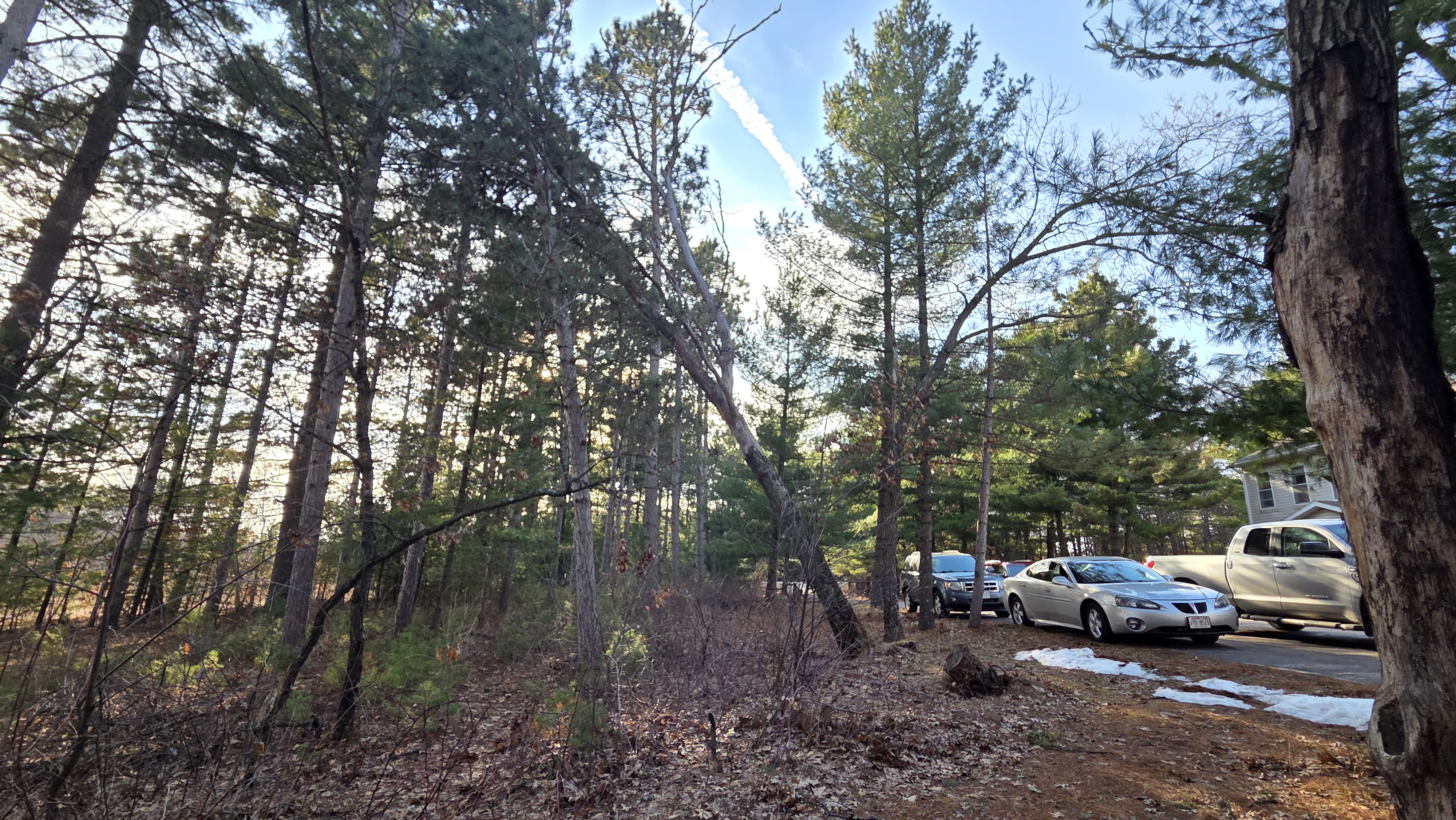
That oak tree in your Poynette yard has always had a slight lean toward the house, but lately, it seems more pronounced. With Wisconsin’s harsh freeze-thaw cycles and the clay-rich soils common around Columbia County, distinguishing between a naturally leaning tree and a hazard tree developing structural failure is crucial for your family’s safety.
Not all leaning trees pose immediate danger. Many trees develop natural lean as they grow toward sunlight or adapt to prevailing winds. However, when soil conditions change or root systems become compromised, that gentle lean can quickly become a serious safety concern. Understanding the difference could prevent property damage or injury to your family.
Tommy Mason and the experienced crew at Extreme Tree Service have been assessing dangerous trees throughout the Madison metro area, including Poynette’s unique soil and climate challenges. Our team applies industry-standard assessment techniques and follows ANSI A300 and Z133 safety protocols to help homeowners identify when a leaning tree requires immediate attention.
Natural Lean vs. Progressive Lean: Critical Differences
Natural lean develops gradually as trees adapt to their environment. These trees typically show:
Consistent lean angle maintained over years
Healthy root development on the tension side
No visible soil movement or root exposure
Balanced crown development compensating for lean
Progressive lean indicates structural failure in progress and represents a true tree failure risk. Warning signs include:
Increasing lean angle noticed over months or seasons
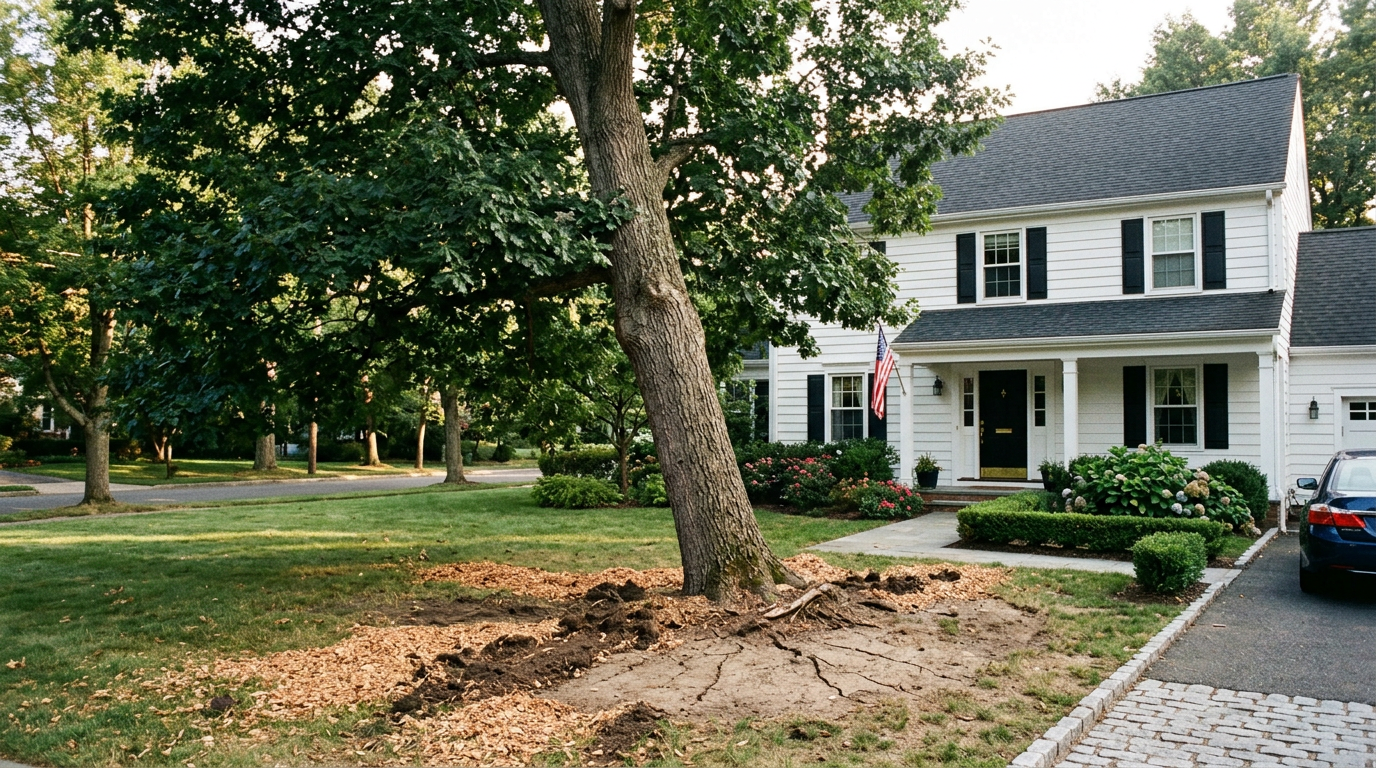
Soil cracking or mounding around the base
Exposed roots on the compression side
Recent changes following storms or soil saturation
Poynette’s location near the MacKenzie Environmental Education Center means many properties feature mature native species like bur oak and American elm. These large trees, while beautiful, can develop significant lean due to Wisconsin’s challenging climate conditions. The freeze-thaw cycles common from December through March can gradually weaken root-to-soil connections, particularly in the clay soils prevalent throughout Columbia County.
Our trained crews regularly encounter situations where homeowners initially dismissed the lean as “normal.” The key difference lies in timing and soil response. A tree that has leaned 15 degrees for decades may be stable, while one showing 5 degrees of new lean after last spring’s heavy rains could indicate imminent failure.
Soil Conditions and Root Assessment in Columbia County
Columbia County’s soil composition significantly impacts tree stability. The area’s glacial till creates layers of clay that become saturated during spring snowmelt and summer storms, reducing the soil’s ability to anchor root systems effectively.
Professional tree risk assessment involves examining the critical root zone where structural roots provide anchorage. Our evaluation process looks for:
Soil heaving or depression around the trunk base
Exposed structural roots indicating soil erosion
Fungal growth suggesting root decay
Changes in soil level or drainage patterns
The clay-rich soils around Poynette present unique challenges for tree stability evaluation. Unlike sandy soils that drain quickly, clay retains moisture longer, potentially weakening root-to-soil bonds. When combined with Wisconsin’s freeze-thaw cycles, this creates conditions where previously stable trees can develop progressive lean.
Recent weather patterns have intensified these concerns. Heavy spring rains followed by drought conditions stress root systems, while winter freeze-thaw cycles can gradually separate roots from surrounding soil. Trees near Poynette’s residential areas, particularly those planted in modified soils during development, may show increased susceptibility to these conditions.
Our assessment process follows ANSI A300 standards for tree structural evaluation, examining not just the visible lean but the underlying soil and root conditions that determine long-term stability. This comprehensive approach helps distinguish between trees requiring monitoring and those needing immediate tree removal.
When Leaning Trees Require Professional Removal
Several factors indicate when a leaning tree transitions from monitoring to immediate removal consideration:
Immediate attention indicators:
Lean angle exceeding 15 degrees from vertical
Recent increase in lean following weather events
Visible root plate movement or soil cracking
Structures, vehicles, or walkways within potential fall zone
Monitoring situations:
Stable lean maintained over multiple seasons
No soil disturbance around root zone
Healthy crown development and foliage
No high-value targets in potential impact area
Poynette homeowners should pay particular attention to trees leaning toward structures, especially after Wisconsin’s severe weather events. The combination of heavy snow loads, ice storms, and spring flooding can rapidly change a stable tree’s condition.
Emergency situations develop when lean appears quickly. Trees showing new lean after storms, particularly those near homes or areas around MacKenzie Environmental Education Center where families gather, require immediate professional assessment.
Our removal process prioritizes safety through proper equipment and techniques. Using specialized rigging and controlled dismantling, we can safely remove dangerous trees even in tight residential spaces common throughout Poynette’s established neighborhoods.
The decision between removal and monitoring often depends on risk tolerance and proximity to targets. A tree leaning away from structures in a large yard may warrant monitoring, while the same degree of lean toward a house requires immediate action.
Signs Your Poynette Trees Need Professional Assessment
Homeowners should schedule professional evaluation when observing these warning signs:
Visual indicators:
Any noticeable increase in lean angle
Soil cracks or mounding around tree base
Exposed roots previously covered by soil
Dead or dying branches in upper crown
Fungal growth on trunk or major roots
Situational factors:
Trees planted during home construction (often in disturbed soil)
Large trees near property lines or structures
Trees showing stress from recent construction or landscaping
Mature specimens of species prone to failure (silver maple, box elder)
Wisconsin’s climate creates additional stress factors requiring professional evaluation. The state’s average of 40-50 freeze-thaw cycles annually can gradually compromise root systems, particularly in clay soils. Trees that survived previous storms may have sustained hidden damage affecting long-term stability.
Following severe weather events common in Columbia County—including ice storms, straight-line winds, and heavy snow loads—professional assessment helps identify hazard trees before they fail. Even trees showing no obvious damage may have sustained root system stress requiring expert evaluation.
Our team’s experience throughout the Madison metro area, from Lodi to Portage, provides insight into regional tree behavior and failure patterns. This local knowledge, combined with adherence to ANSI safety standards, ensures accurate assessment of tree risks specific to Poynette’s conditions.
Choosing Professional Tree Care in Poynette
Selecting qualified professionals for tree assessment and removal requires careful consideration of experience, safety practices, and local knowledge.
Essential qualifications:
Comprehensive insurance coverage (liability and workers’ compensation)
ANSI Z133 safety standard compliance
Professional training in tree assessment techniques
Local experience with regional species and soil conditions
Proper equipment for safe removal in residential settings
Red flags to avoid:
Door-to-door solicitors, especially after storms
Requests for full payment upfront
Lack of proper insurance documentation
Tree topping recommendations (harmful practice)
Pressure for immediate decisions without proper assessment
Extreme Tree Service brings years of hands-on experience to tree care projects throughout Columbia County. Our team’s commitment to ongoing professional development and safety training ensures reliable service for Poynette homeowners facing tree safety concerns.
We understand the unique challenges facing trees in this region—from the clay soils that shift with moisture changes to the severe weather patterns that test tree stability. This local expertise, combined with industry-standard practices, provides the foundation for accurate risk evaluation and safe removal when necessary.
Emergency Tree Situations in Poynette
Some situations require immediate professional response:
Trees leaning significantly after storms
Visible root failure or soil movement
Large branches hanging precariously
Trees in contact with power lines
Obvious structural damage to trunk or major limbs
During Wisconsin’s storm season, from late spring through early fall, conditions can change rapidly. What appears to be a stable tree in the morning could become a serious hazard by evening following severe weather.
Our emergency response capabilities serve Poynette and surrounding communities including Lodi and Portage. We maintain equipment and trained crews ready to address urgent tree safety situations, helping protect your property and family when time is critical.
Don’t wait for that leaning tree to become a dangerous situation. The experienced team at Extreme Tree Service provides comprehensive tree risk assessment and professional tree removal services throughout Poynette and Columbia County.
Our commitment to safety, professional training, and industry best practices ensures your property receives expert care. Whether you need emergency assessment after a storm or routine evaluation of mature trees, we bring the knowledge and equipment necessary for safe, effective solutions.
Contact Extreme Tree Service today for a thorough evaluation of your tree safety concerns. Call us (𝟲𝟬𝟴) 𝟰𝟳𝟳-𝟭𝟲𝟳𝟬 or visit extremetreeservicewi.com to schedule your assessment. We proudly serve Poynette, Lodi, Portage, and the greater Madison metro area with reliable, professional tree care services you can trust.

Take Action Today!
Contact us now for a FREE
no-obligation estimate!
Don’t let tree problems stress you out any longer. Reach out to us today and take the first step towards a safer, more beautiful property.
SERVING
24-HOUR EMERGENCY SERVICE
CONTACT
Address:
1223 W Main St Unit 262,
Sun Prairie, WI 53590
Main: (608) 477-1670
Copyright 2026. Madison, WI. All Rights Reserved.