
Professional Tree Removal, Trimming & Stump Grinding in
Sun Prairie & Madison, WI
24/7 Emergency Service
Call (608) 477-1670
Welcome to the Extreme Tree Service Blog
Root Rot and Tree Stability: What Monona Homeowners Should Know
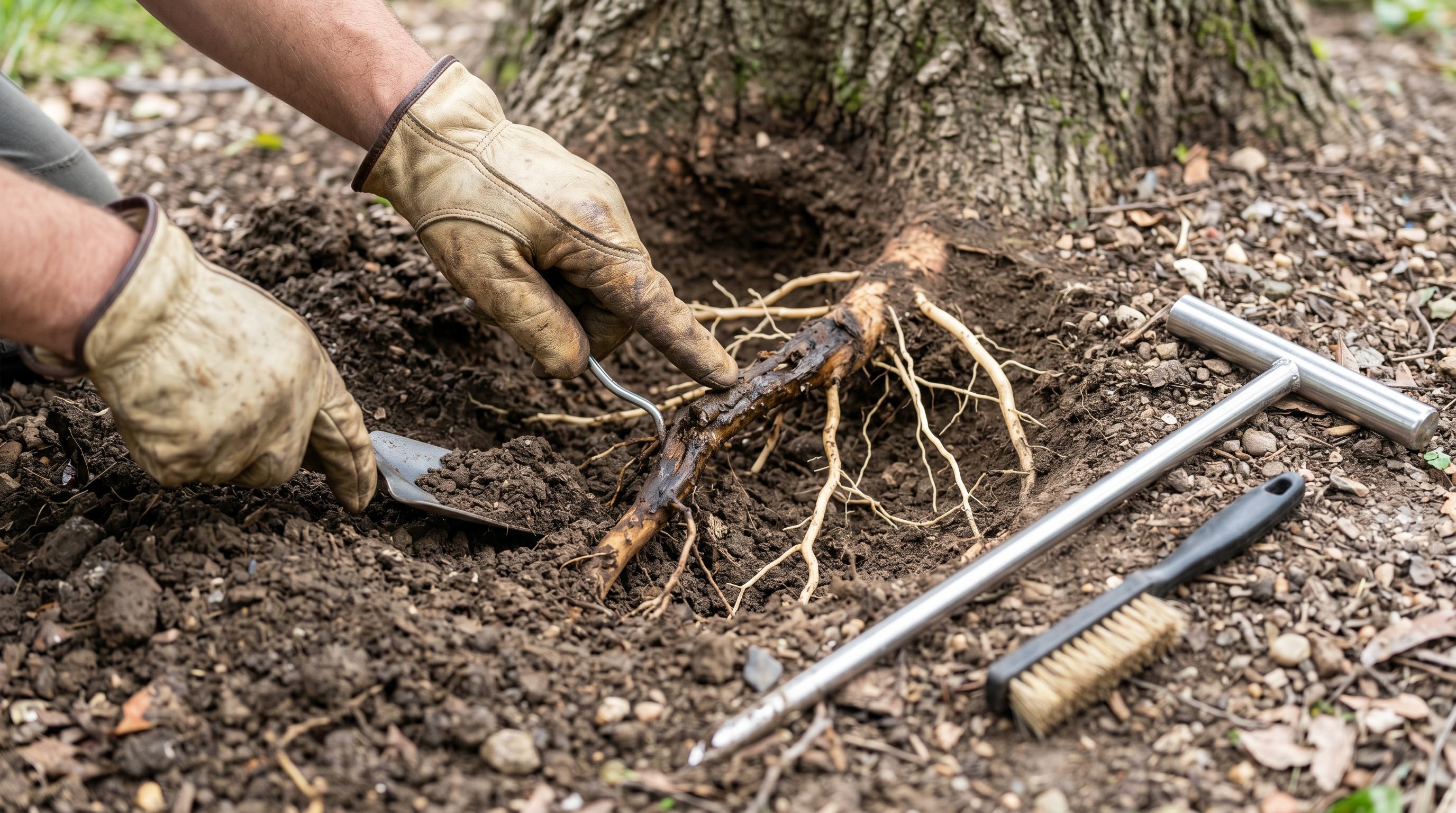
Root rot represents one of the most insidious forms of tree disease affecting Monona’s urban forest. This fungal infection attacks the root system, gradually destroying the tree’s ability to absorb water and nutrients while simultaneously weakening its structural foundation. The disease thrives in Wisconsin’s humid continental climate, particularly during our wet springs and in areas with poor soil drainage.
Several fungal pathogens cause root rot in our region, with Armillaria (honey fungus) being among the most common and destructive. This aggressive pathogen spreads through root-to-root contact and can persist in soil for decades, making it a persistent threat in established neighborhoods throughout Monona. Armillaria produces distinctive honey-colored mushrooms at the base of infected trees, though these fruiting bodies may not appear until the disease has progressed significantly.
The infection process begins when fungal spores encounter stressed or wounded tree roots, often following construction damage, soil compaction, or prolonged periods of waterlogged soil. Once established, the pathogen spreads throughout the root system, breaking down the tree’s vascular tissue and compromising its structural integrity. Trees weakened by root rot become increasingly susceptible to windthrow, particularly during severe weather events common to our area.
What makes root rot particularly dangerous is its ability to remain undetected for years. A tree may maintain a relatively healthy appearance above ground while its root system deteriorates below, creating a false sense of security for homeowners. This delayed symptom expression means that by the time visible signs appear, the tree may already pose a significant safety risk requiring immediate professional assessment.
Why Monona’s Environment Creates Perfect Conditions for Root Disease
Monona’s unique geographic position between Lake Mendota and Lake Monona creates microclimatic conditions that can predispose trees to root rot development. The proximity to these water bodies increases local humidity levels and can contribute to prolonged soil moisture, particularly in low-lying areas and properties with poor drainage. These conditions, while beneficial for tree growth in many respects, also create an ideal environment for fungal pathogens.
Our region’s freeze-thaw cycles present additional challenges for tree health and root system integrity. Repeated freezing and thawing can create soil movement that damages fine feeder roots, providing entry points for fungal infections. This is particularly problematic for trees planted in compacted urban soils or those subjected to construction-related root damage during home improvements or utility work.
The mature tree canopy throughout Monona’s established neighborhoods, while aesthetically valuable, can also contribute to root rot problems. Dense canopies reduce air circulation at ground level and can create persistently moist conditions around tree bases. Additionally, many of our community’s trees were planted decades ago when soil preparation and drainage considerations were less understood, leaving some trees vulnerable to root zone problems.
Lakefront properties face unique challenges, as seasonal water level fluctuations can stress root systems and create conditions favorable to fungal development. Trees adapted to well-drained conditions may struggle when subjected to periodic flooding or prolonged soil saturation, making them more susceptible to root rot pathogens.
Our experienced crews at Extreme Tree Service regularly encounter these location-specific challenges throughout Monona and neighboring communities like Madison and Cottage Grove. Understanding these local factors allows us to provide more accurate assessments of tree health and stability risks.
Recognizing the Warning Signs: When Trees Become Hazardous
Identifying a hazard tree affected by root rot requires careful observation of both obvious and subtle symptoms. Early detection can mean the difference between successful treatment and the need for emergency removal, making homeowner awareness crucial for property safety.
Crown symptoms often provide the first visible evidence of root system problems. Look for premature leaf drop, yellowing or browning foliage during the growing season, reduced leaf size, and sparse canopy development. Trees affected by root rot may also exhibit dieback starting from branch tips and progressing inward, as the compromised root system cannot support the full canopy.
Structural changes in the trunk and root flare area can indicate serious stability concerns. Fungal fruiting bodies (mushrooms or conks) growing at the base of the tree or on exposed roots signal active decay. Soft, spongy bark at the root flare, unusual swelling or cankers on the lower trunk, and visible root decay where roots emerge from the soil all warrant immediate professional evaluation.
Soil and root zone indicators include a strong, musty odor around the tree base, particularly after rain, and the presence of white fungal growth (mycelium) on or around roots. Soil that remains consistently wet around the tree, even during dry periods, may indicate root system failure and poor water uptake.
Behavioral changes in tree stability can signal imminent failure risk. Trees that develop a sudden lean, especially after storms or during windy conditions, may have suffered significant root system damage. Soil cracking or heaving around the base, particularly on the side opposite a lean, indicates root failure and requires immediate attention.
The challenge with root rot is that these symptoms often develop gradually, making them easy to overlook until the situation becomes critical. Regular monitoring of tree health, particularly for mature specimens near homes or high-traffic areas, helps identify problems before they become dangerous situations requiring emergency response.
Professional Assessment: When to Call for Expert Evaluation
Determining when a tree transitions from manageable health concern to hazardous condition requiring professional intervention demands experience and specialized knowledge. While homeowners can monitor for obvious warning signs, accurately assessing root rot severity and structural stability requires professional evaluation using industry-standard techniques and equipment.
Immediate professional assessment becomes necessary when you observe any combination of the warning signs mentioned above, particularly if they appear suddenly or worsen rapidly. Trees showing significant crown dieback, visible fungal growth at the base, or any signs of instability should be evaluated promptly by experienced tree care professionals familiar with local conditions and species.
Advanced diagnostic techniques used by professional tree care companies include soil excavation around the root flare to assess root condition, resistance drilling to evaluate internal wood condition, and comprehensive structural analysis following ANSI A300 standards. These methods provide accurate information about tree stability and help determine whether tree disease treatment options exist or if removal becomes necessary for safety.
At Extreme Tree Service, our assessment process begins with a thorough visual inspection of the entire tree, from crown to root zone. We examine soil conditions, drainage patterns, and environmental factors that may contribute to root rot development. Our crews use specialized tools to evaluate root condition and internal wood integrity, providing homeowners with clear, honest assessments of tree health and safety risks.
Treatment options for trees with early-stage root rot may include improving soil drainage, reducing soil compaction, and implementing targeted fungicide applications. However, trees with advanced root rot or significant structural compromise typically require removal to eliminate safety hazards. Our commitment to honest assessments means we’ll tell you when a tree can be saved and when removal is the only safe option.
The decision-making process also considers the tree’s location relative to structures, utilities, and high-traffic areas. A tree with moderate root rot in an open area may pose acceptable risk with proper monitoring, while the same condition in a tree overhanging a home or sidewalk may require immediate removal.
Choosing Professional Tree Care: Experience and Standards Matter
When dealing with potentially dangerous trees affected by root rot, selecting qualified tree care professionals becomes critical for both safety and property protection. The complexity of root rot assessment and the inherent risks of working with structurally compromised trees demand experienced crews with proper training, equipment, and insurance coverage.
Professional qualifications to look for include comprehensive training in tree biology and pathology, adherence to ANSI A300 pruning and removal standards, and compliance with ANSI Z133 safety requirements. While certification programs provide valuable standardized training, hands-on experience with local tree species and regional challenges often proves equally important for accurate assessment and safe work execution.
Safety considerations become paramount when working with trees affected by root rot. Compromised root systems can lead to unexpected tree failure during removal operations, requiring specialized rigging techniques and equipment. Professional crews should carry comprehensive liability insurance and workers’ compensation coverage to protect homeowners from potential accidents or property damage.
Equipment and techniques for safe removal of hazardous trees include crane-assisted removal for large specimens, specialized rigging systems for controlled dismantling, and proper personal protective equipment for crew safety. Stump grinding services should also be available to eliminate remaining root systems that could harbor fungal pathogens.
At Extreme Tree Service, our three generations of experience serving Monona and the Madison area have taught us that trust is earned through consistent, honest service. We follow industry best practices and safety standards while providing straightforward assessments without unnecessary upselling. Our crews receive ongoing professional training in the latest techniques and safety protocols, ensuring quality service delivery for every project.
Local expertise matters when dealing with regional tree species and climate-specific challenges. Our familiarity with Monona’s unique conditions, from lakefront properties to established neighborhoods, allows us to provide more accurate assessments and appropriate treatment recommendations tailored to local circumstances.
Root rot prevention and early intervention provide the best protection for Monona homeowners against hazardous tree situations. While some risk factors like climate and soil conditions cannot be controlled, proper tree care practices and regular monitoring significantly reduce the likelihood of serious problems developing.
Preventive measures include ensuring proper drainage around tree bases, avoiding soil compaction in root zones, and preventing construction damage to root systems. Regular inspection of trees for early warning signs allows for prompt intervention when problems first develop, often before they become safety concerns.
Professional maintenance programs can help identify and address tree health issues before they progress to dangerous levels. Regular assessments by experienced tree care professionals provide early detection of root rot and other diseases, allowing for timely intervention when treatment options still exist.
The investment in professional tree care and timely removal of hazardous trees protects both property values and family safety. Root rot-related tree failures can cause significant property damage and pose serious injury risks, making prevention and early intervention far more cost-effective than emergency response after problems develop.
At Extreme Tree Service, we’re committed to helping Monona homeowners maintain safe, healthy landscapes through honest assessments and professional service. Our experienced crews understand the unique challenges facing trees in our community and provide reliable solutions backed by three generations of local expertise.
Don’t wait for tree problems to become emergencies.If you’re concerned about tree health or stability on your Monona property, contact Extreme Tree Service today at (𝟲𝟬𝟴) 𝟰𝟳𝟳-𝟭𝟲𝟳𝟬 for a professional assessment. We serve Monona, Madison, and surrounding Dane County communities with the same commitment to quality and integrity that has defined the Mason family business for generations. Trust our experience to keep your property safe and your trees healthy.

Take Action Today!
Contact us now for a FREE
no-obligation estimate!
Don’t let tree problems stress you out any longer. Reach out to us today and take the first step towards a safer, more beautiful property.
SERVING
24-HOUR EMERGENCY SERVICE
CONTACT
Address:
1223 W Main St Unit 262,
Sun Prairie, WI 53590
Main: (608) 477-1670
Copyright 2026. Madison, WI. All Rights Reserved.